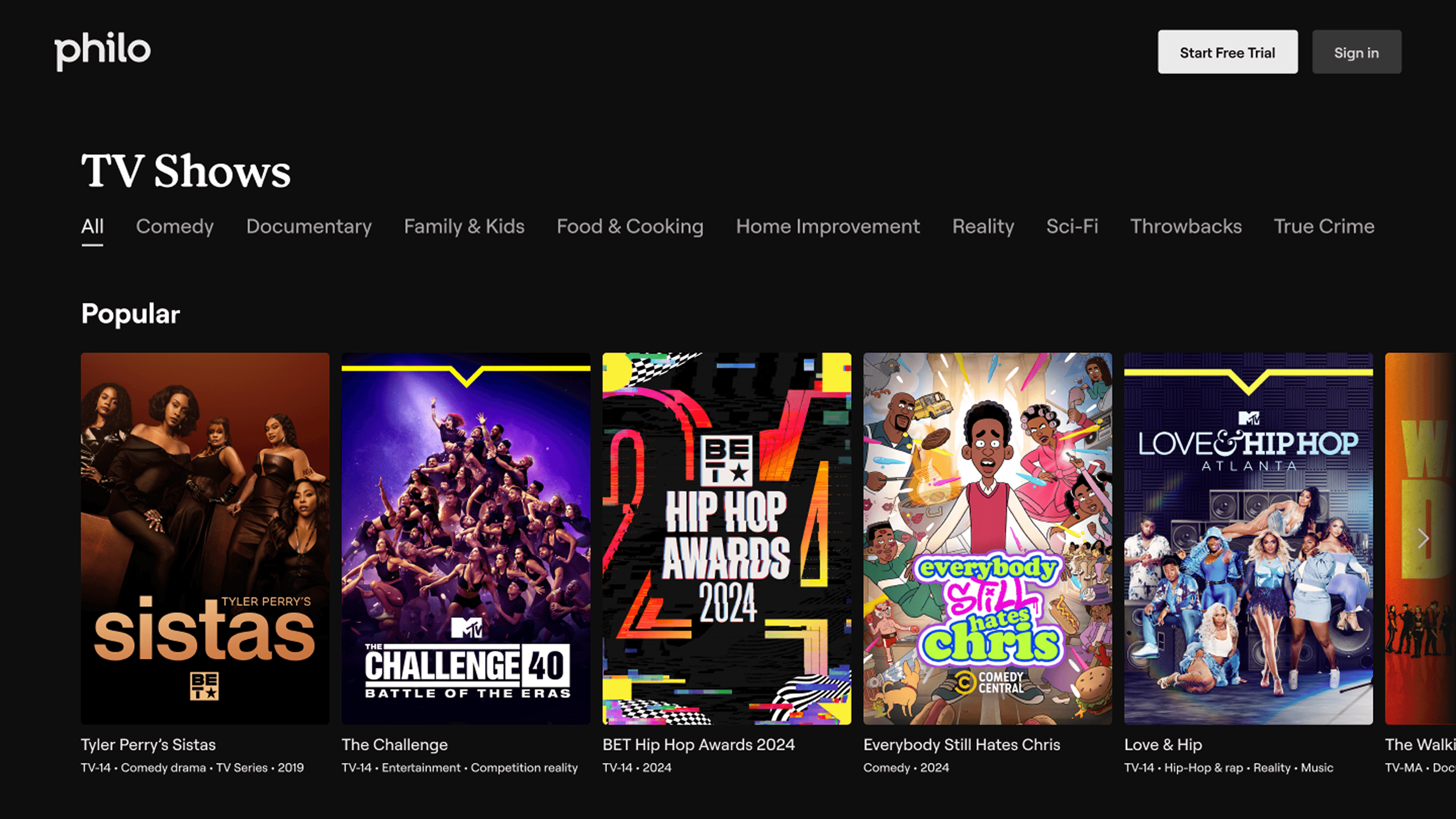

From Friction to First Pays: What Three Experiments Taught Us About Entry
What started as a 40% drop in trial starts ended with an 11% lift in trial starts and a 6.3% increase in first payments. This is the story of three experiments, one pivot, and what the data taught us.
ROLE
Associate Product Designer
TEAM
Package, Billing, & Support
Growth & Acquisition
SCOPE
Splash Page
Welcome Modal
Landing Page
IMPACT
+11% trial starts
+6.3% first payment rates
+143 first pays/week
OVERVIEW
Betting on freemium, and what failing fast actually taught us
Philo was making a strategic bet: shift to a freemium model, lower the barrier to entry, and grow advertising revenue alongside subscription revenue. We hoped the product experience could carry the weight of that bet.
This isn't a success story, but rather a case for staying flexible, and what three experiments taught us when we stopped assuming and started adapting.
TRIAL STARTS
+11%
Lift in trial starts from Amazon and Roku users
FIRST PAYMENT RATES
+6.3%
Increase in first-payment rates from the final splash page
LANDING PAGE WIN
+143
First pays per week from carousel landing page
📉
Trial starts in freefall
Philo was experiencing its biggest churn event in recent history, with trial starts dropping nearly 40%. We weren't retaining users at the rate we used to.
🔀
Two teams, shifting goals
The project moved from PBS (package, billing, & support) to Growth & Acquisition, each with different definitions of success.
💸
Freemium ambitions
The business wanted to diversify its revenue through ads on our free tier, and hopefully, once people were in, they'd choose to stay and upgrade.
🚪
Friction at first contact
During this time, we were also reviewing our funnel and finding that users were dropping off during the sign-up process.
TIMELINE
Not a straight line, a reframe
This project didn't follow a linear process. It evolved under real business pressure, shifting team goals, and experiments that didn't land as we hoped. The learnings from each experiment helped inform our tactics for the next iteration.
EXPERIMENT 01
Remove the Splash Page
The hypothesis: friction is the enemy. Get users into the product faster, and they'll stick around.
We removed the splash page, and trial starts continued to drop.
-40%
TRIAL STARTS
EXPERIMENT 02
Soft Entry: Welcome Modal
We reintroduced context without blocking access. Brief, dismissible, welcoming. Still no significant lift.
-32%
TRIAL STARTS
PIVOT
We stepped back from Freemium
Our previous experiments showed us that this wasn't something design could solve alone. We decided to focus on our paid tier.
EXPERIMENT 03
Landing Page Carousel, the answer we didn't expect
While working on a separate project, we tested genre-led and channel imagery on the landing page. It worked!
+143
FIRST PAYS PER WEEK
SHIPPING
New Splash Page, informed by what actually worked
We brought those learnings back to the splash page design. Testing genre content vs channel logos, with the channels shipping first.
+11%
TRIAL STARTS
+6.3%
FIRST PAYMENT RATES
EXPERIMENT 01
NO LANDING PAGE
Remove the door and see who walks in
Philo was facing its largest churn event in recent history, and trial starts had fallen nearly 40%. The hypothesis: the splash page was creating friction before users could see the product’s value. So, we removed it.
The Thinking
Freemium platforms like Tubi and Pluto TV land users directly in the product. We believed faster access to our content would increase both trial starts and time spent in our free tier, supporting both subscription and ad revenue.
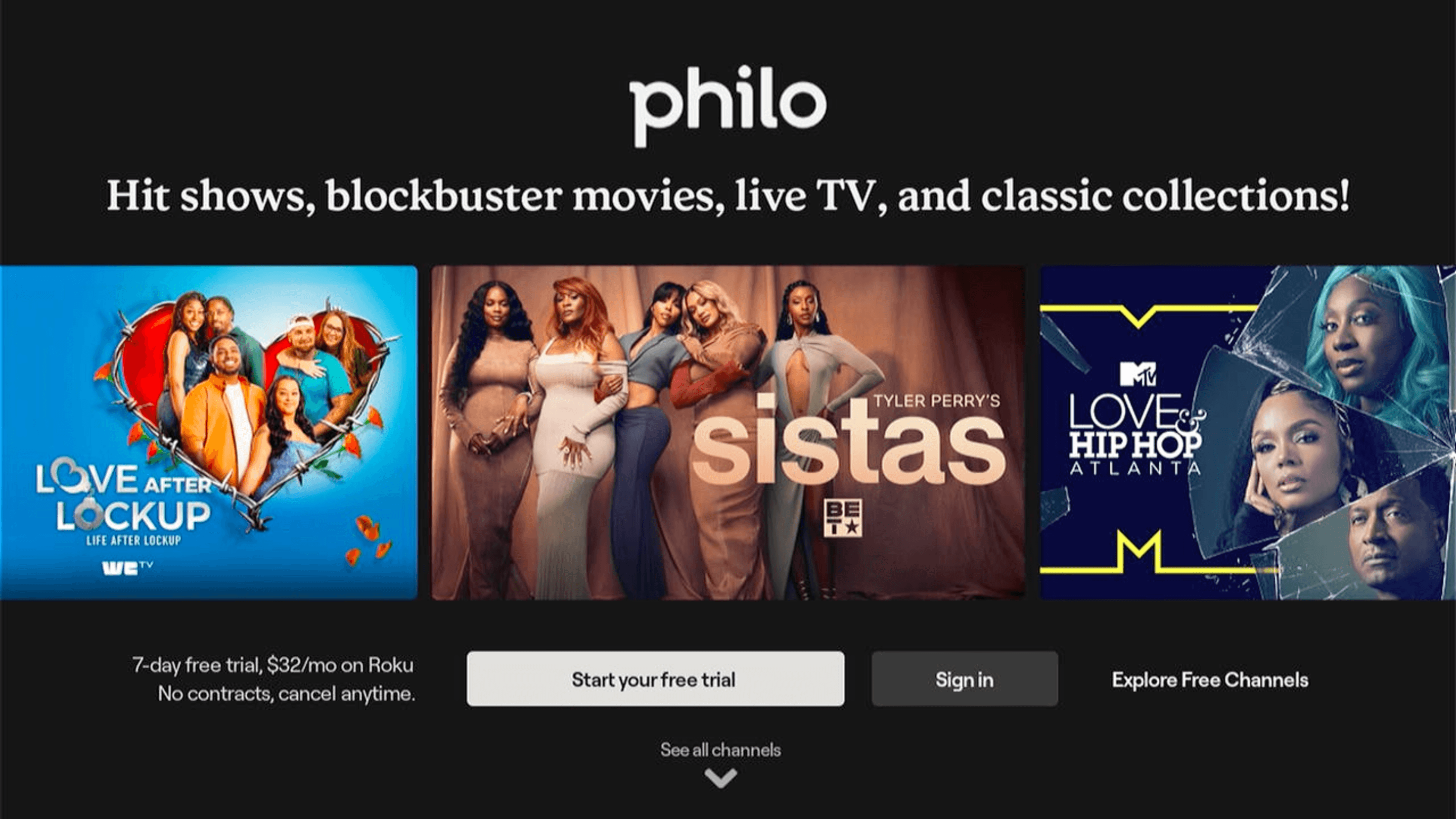
BEFORE
Existing Splash Page
Login is required before users could access any content.
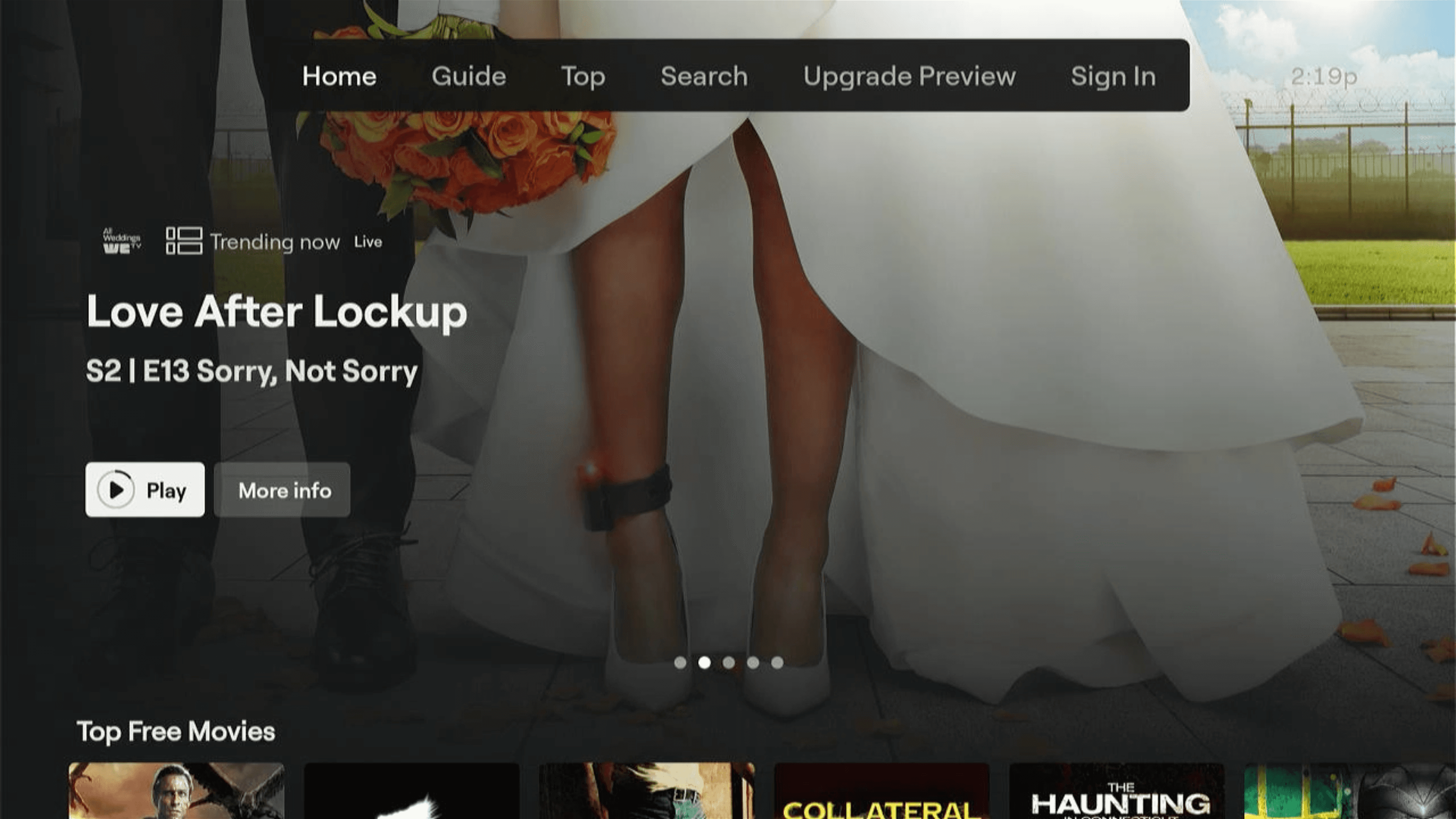
AFTER
No Splash
Direct Access
Users land straight in the product. No interstitial at all.
The Results
Trial starts stayed roughly the same. While free users increased, watch minutes didn’t; meaning new users weren’t sticking around.
TRIAL STARTS
-40%
People weren't creating accounts, or didn't know how to.
FREE TIER USERS
+195%
Free-tier growth met expectations; revenue did not.
WATCH MINUTES
-46%
So our content wasn't keeping people around.
WHAT WE LEARNED
Removing friction didn't fix the problem. The issue wasn't the door; it was what users understood about what was behind it.
EXPERIMENT 02
WELCOME MODAL
Slowing users without stopping them
By this point, the project had moved from PBS to the Growth team, shifting the focus toward acquisition and funnel conversion.
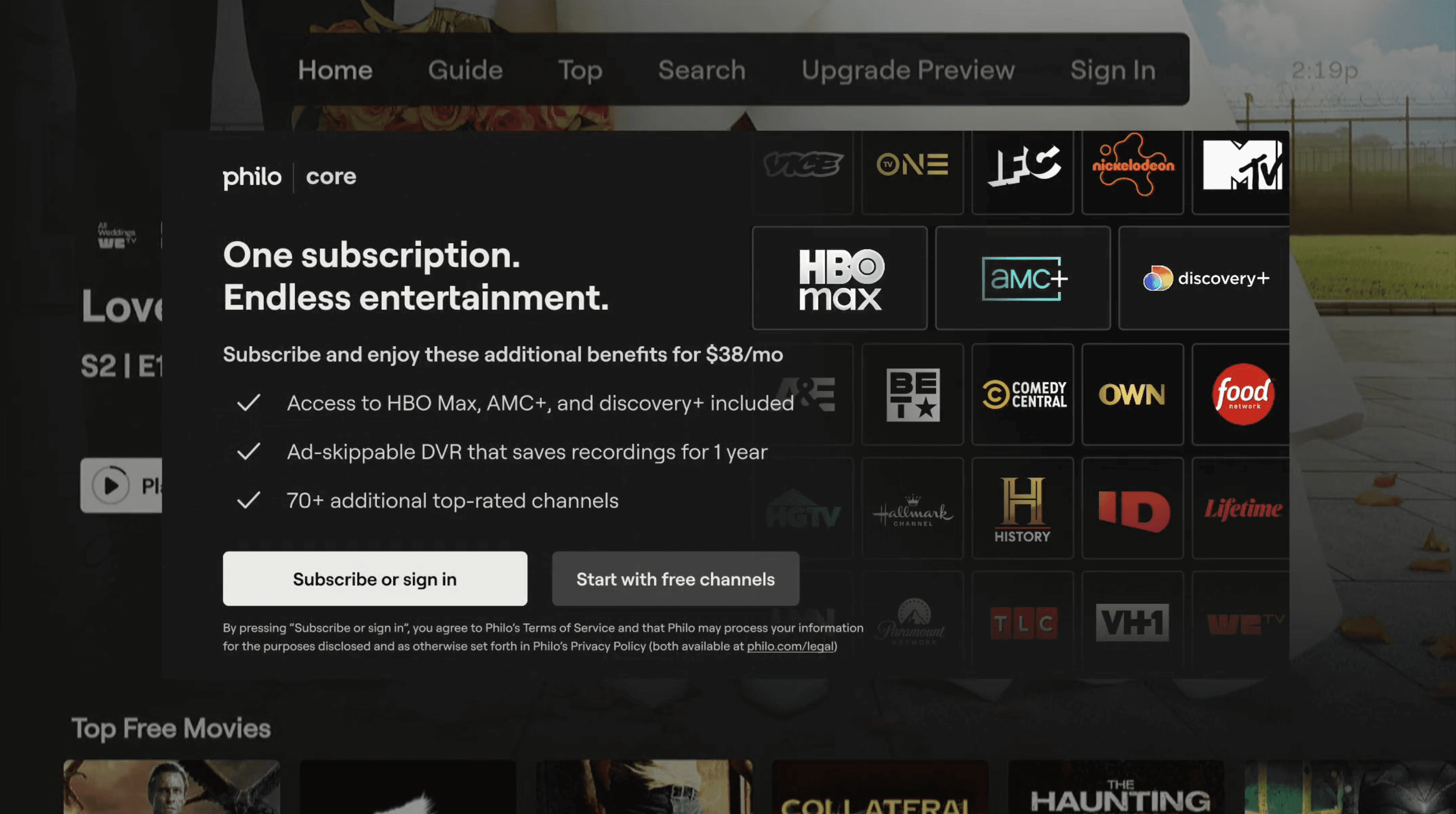
The approach changed as well. Instead of removing the splash entirely, we made it lighter. A dismissible welcome modal that briefly introduced users to Philo and its paid tier while keeping the product fully accessible.
Iteration & Alignment
FINAL DESIGNS
Welcome Modal
WHAT DIDN'T MAKE THE CUT?
Connect CMS Image fields (Image 1-10)
The Results
Even after extensive iteration, the needle didn’t move as hoped. Trial starts remained 32% below target. Free users and watch minutes increased, but the gains were largely driven by new content like RuPaul’s Drag Race.
TRIAL STARTS
-32%
People weren't creating accounts, or didn't know how to.
FREE TIER USERS
+362%
Free-tier growth met expectations; revenue did not.
WATCH MINUTES
-26%
So our content wasn't keeping people around.
WHAT WE LEARNED
This wasn't a problem we could design our way out of. The business model itself needed re-examination.
THE PIVOT
We stopped working on the splash page, and that's when things got interesting
After two experiments that didn't land, Philo made a clear call: the freemium experiment wasn't working, and continuing to optimize around it was the wrong bet. The competitive dynamics, pricing structure, and content positioning weren't aligned enough for freemium to work as a meaningful acquisition lever.
We decided to refocus on the paid tier. That meant setting the splash page work aside until we had a clearer signal about what users actually responded to. That signal came from somewhere unexpected.
WHAT WE TESTED
Does reducing friction at the splash page increase trial starts?
Two experiments. Neither moved the needle. The barrier wasn't the design; it was unclear value.
THE REAL QUESTION
Does the user understand what they're getting before they commit?
This is what we were actually missing, and what the landing page experiment would surface.
EXPERIMENT 03
THE BREAKTHROUGH
A different project brought an unexpected answer
While working on our web landing pages, a separate initiative, we tested carousel imagery featuring top shows organized by genre alongside a grid of channel logos. The results were immediate and unambiguous.
The Thinking
Philo occupies a unique position in the market, blending traditional live TV with a streaming service experience. That puts us in an unusual competitive set: traditional providers like DirecTV on one side, and streaming platforms like Netflix on the other.
Because of this, user expectations were often misaligned. Some visitors assumed Philo was a typical streaming service and questioned the price, while others didn’t realize we offered live channels at all. The landing page needed to clarify both sides of the product.
The channel logo grid reinforced the live TV offering, while genre-based show imagery highlighted the depth of on-demand content.
FINAL DESIGNS
Landing Page Carousel
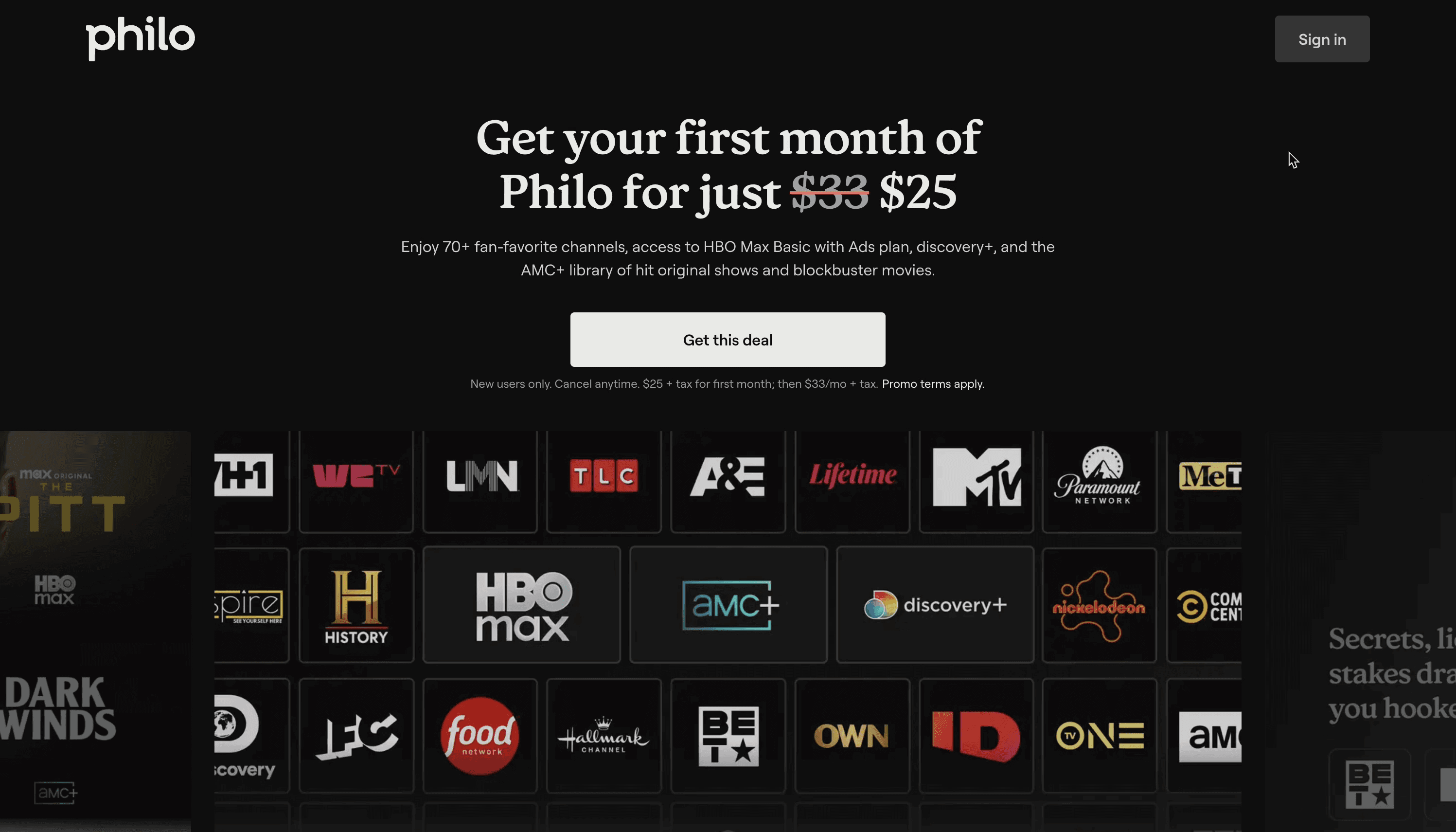
I partnered with marketing to update carousel imagery weekly; rotating content by popularity, freshness, and what's trending.
The Results
Here we finally hit a win! The carousels generated +143 first pays per week. And gave us a clearer way to appeal to both of our audiences.
Previously, most of our messaging relied on explaining what Philo was in text. This test showed that users understood the product much faster through what they could see, top shows and channel logos, rather than what they had to read.
FIRST PAYS
+143
First pays per week from genre and channel led landing page carousels
HYPOTHESIS TESTED
2
Genre segmentation vs channel recognition
CORE INSIGHT
1
Users convert when they see themselves in our catalog
WHAT WE LEARNED
The data was clear: visuals converted where copy couldn't. Users understood Philo better from what they saw than from what they read.
CLOSING THE LOOP
Taking the learnings back to where we began
We returned to the splash page, this time with a hypothesis grounded in data.
The earlier experiments had asked: "how do we reduce friction?" The new question was: "how do we give users a reason to care in the first few seconds?"
The new hypothesis
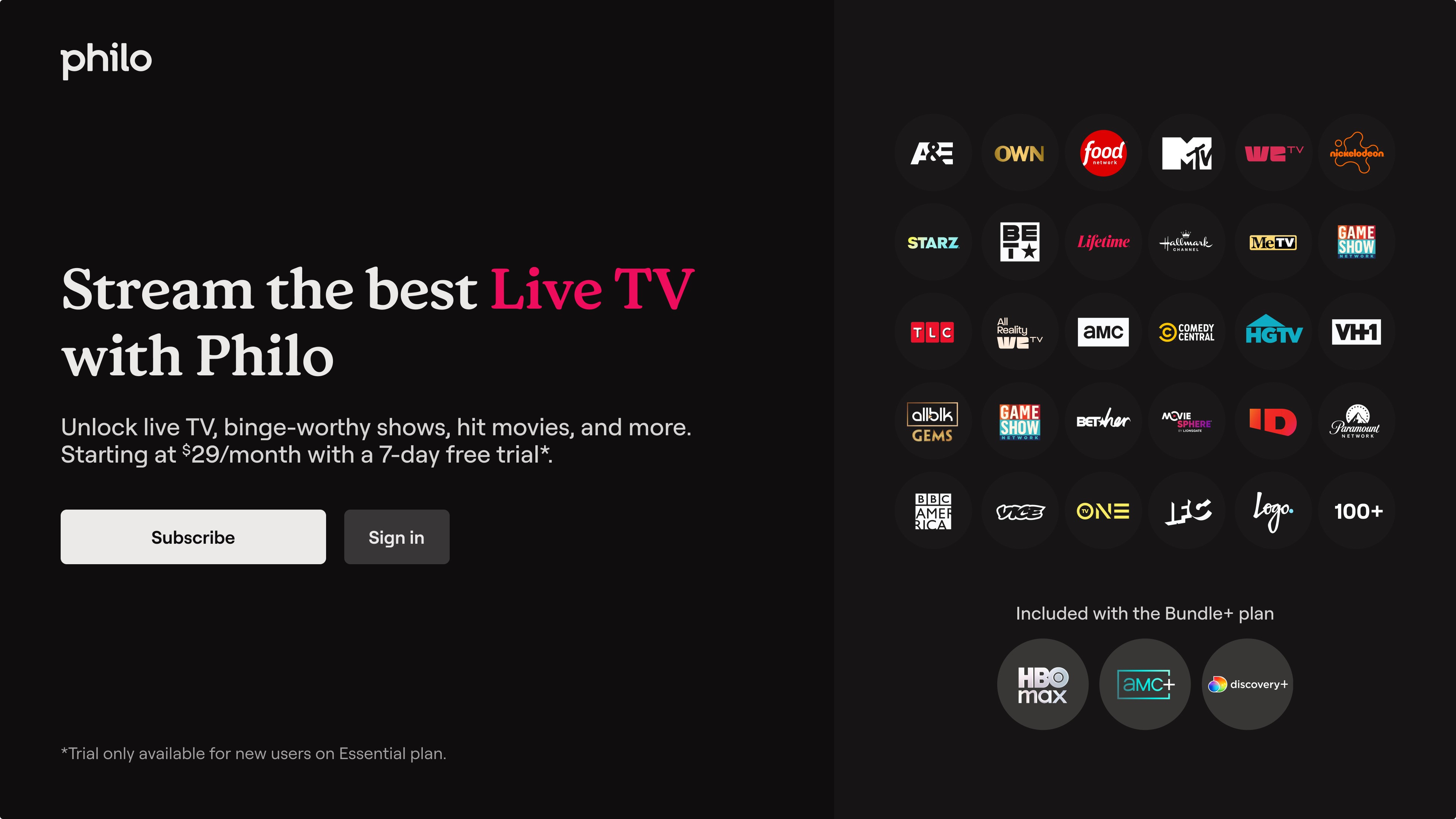
We designed new splash page variants testing two approaches inspired by the carousel experiment: one leading with genre imagery, one leading with channel logos, to understand what was actually pulling users to subscribe. We decided to start with my design, the channel version.
FINAL DESIGNS
Final Splash Design
Testing our channel hypothesis
This will serve as the new splash page, and the first screen users see when opening the app.
WHAT DIDN'T MAKE THE CUT?
Connect CMS Image fields (Image 1-10)
The Results
The channel logo variant has been live for three weeks, and we've already started to see a positive impact.
TRIAL STARTS
+11%
Lift in trial starts from Amazon and Roku users
FIRST PAYMENT RATES
+6.3%
Increase in first-payment rates from the final splash page
TAKEAWAYS
What I learned
01
Inconclusive results are still results
Both splash experiments "failed" on their primary KPIs, but they gave us something more valuable: the confidence to pause and shift strategy.
02
Design has to be honest about what it can't solve
Sometimes the most important design decision is recognizing what design can't fix. The data was telling us something the product experience alone couldn't solve, so we stopped pushing and listened. Pivoting back to focusing on our subscription model wasn’t a failure; it was the best approach for our business.
03
Insights travel across surfaces
Initially, the landing page carousel had nothing to do with the splash page work. But the impact of that experiment helped us better understand what worked and apply that to future projects.
PREVIOUS PROJECT
Making Accessibility a habit, Not a Checklist
The New York Times
Inclusive Design Squad